
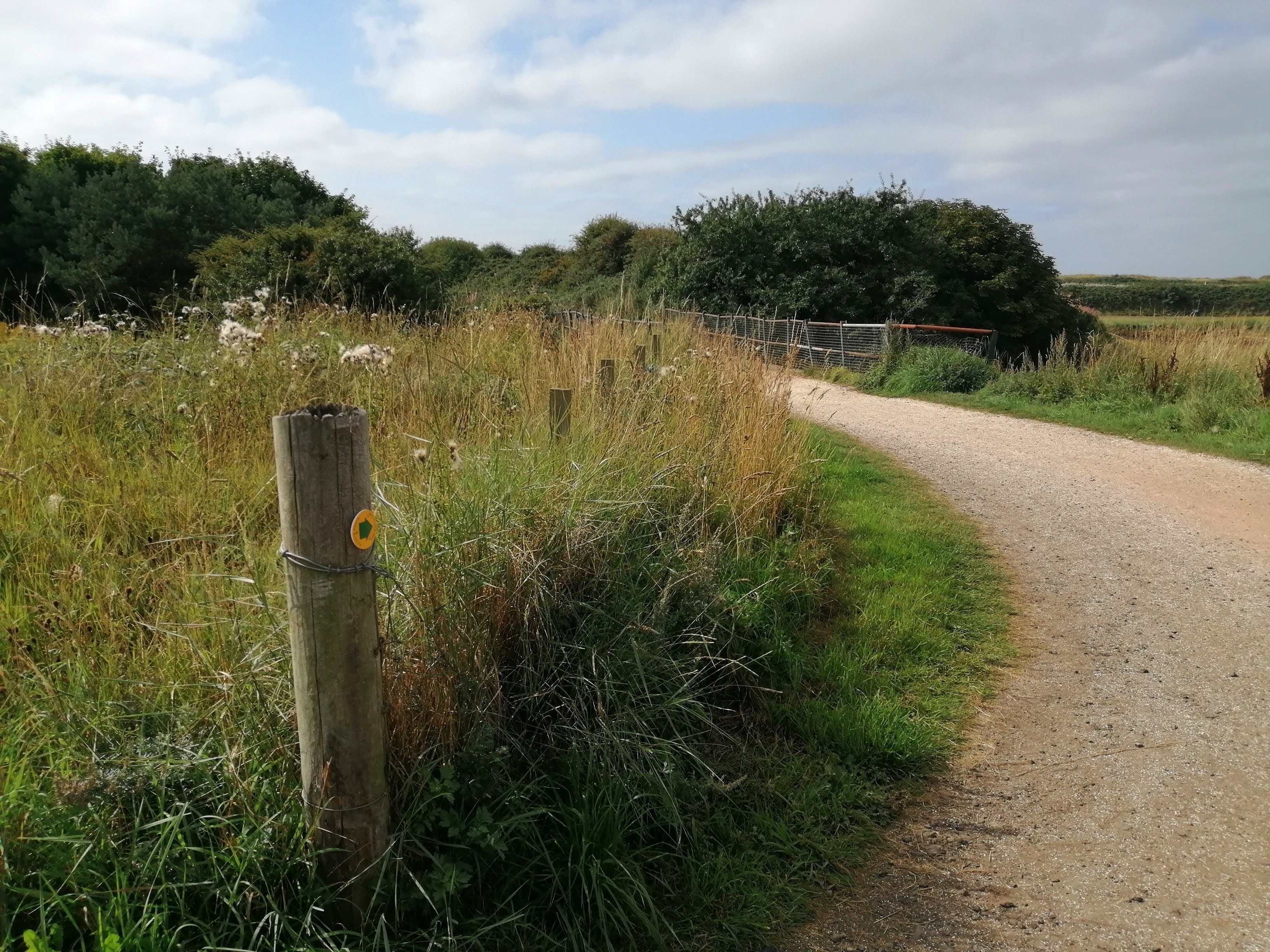
About the Walk
A Thousand Years
in Every Step
The Story
Scotland's Oldest
Pilgrimage Route
Long before the Camino de Santiago became famous across the world, Scotland had its own great pilgrimage. For over a thousand years, people made the journey to Whithorn — the birthplace of Christianity in Scotland — to visit the shrine of St Ninian, the country's first recorded saint.
Kings and commoners, the sick and the faithful, the hopeful and the heartbroken — all walked this route. Today, The Whithorn Way invites a new generation to follow in their footsteps, bringing this extraordinary tradition back to life for everyone.
The route stretches approximately 130 miles from the heart of historic Glasgow, winding south through Ayrshire, Galloway, and the Machars peninsula to the Royal Burgh of Whithorn — a journey through some of Scotland's most beautiful and varied landscapes.

Glasgow Cathedral — the historic starting point of the walk
"To walk to Whithorn is to walk
through the soul of Scotland."
The History
From St Ninian to Today
St Ninian Arrives
Scotland's first recorded Christian missionary, St Ninian, establishes a church at Whithorn — the 'Candida Casa' or White House — making it the cradle of Christianity in Scotland, centuries before St Columba reached Iona.
A Place of Pilgrimage
Whithorn becomes one of the most important pilgrimage destinations in medieval Britain. Kings, nobles, and ordinary people alike make the journey south to pray at the shrine of St Ninian, seeking healing, forgiveness, and blessing.
The Priory is Founded
Whithorn Priory is established, becoming the seat of the Bishop of Galloway and a major centre of religious life. Its ruins still stand today, a powerful reminder of the faith and devotion that shaped this landscape.
The Reformation
The Scottish Reformation brings the age of medieval pilgrimage to an end. The shrine is dismantled, the priory falls into decline, and the ancient route fades from use — but never from memory.
The Way is Reborn
The Whithorn Way revives this ancient tradition for a new generation. Retracing the historic route from Glasgow to Whithorn, the walk is open to everyone — whatever your faith, background, or reason for walking.
The Destination
The Royal Burgh
of Whithorn
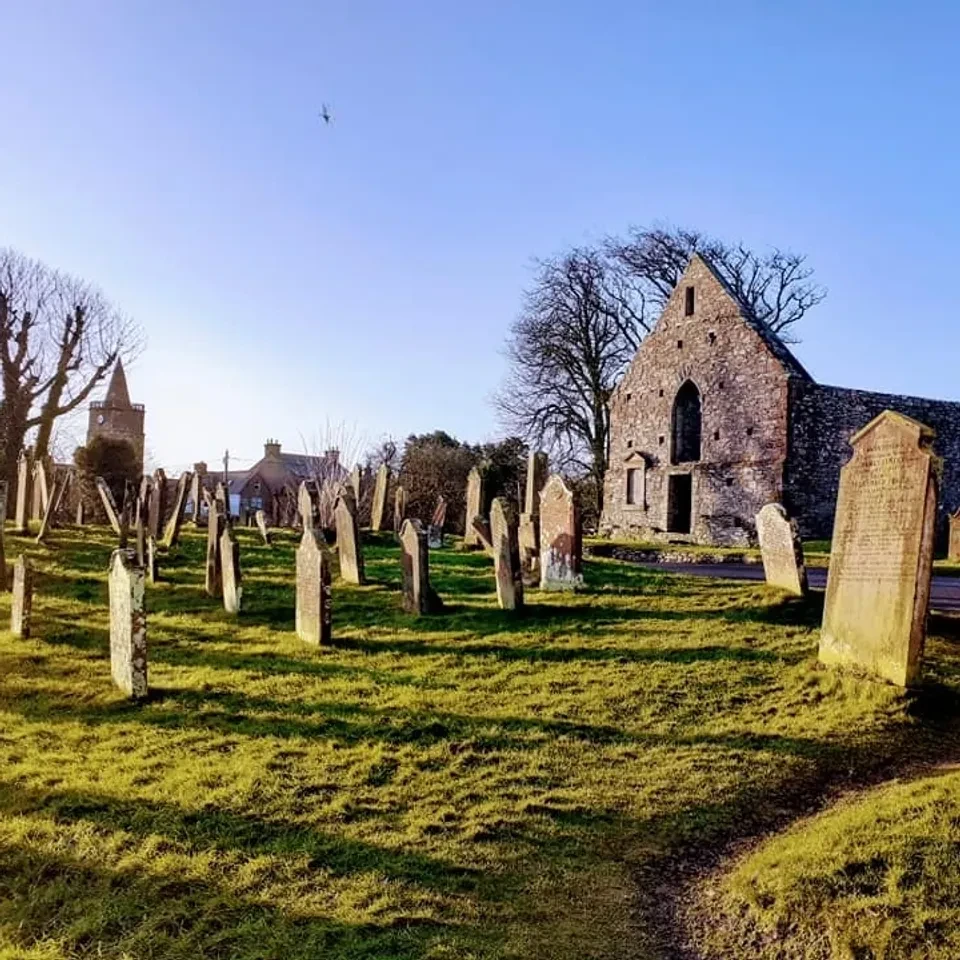
Whithorn is one of Scotland's most historically significant places. This small, beautiful town in the Machars peninsula of Galloway has been a place of pilgrimage since the 4th century — making it one of the oldest Christian sites in Britain.
At its heart stands Whithorn Priory, whose ruins date back to the 12th century, built on the very site where St Ninian established his original church. The town's museum houses remarkable early Christian carved stones, and the atmosphere of the place — quiet, ancient, and deeply peaceful — rewards every step of the journey to reach it.
Arriving in Whithorn after days on the road is an experience that stays with walkers long after they return home.
The Route
Glasgow to Whithorn
in Thirteen Stages
The full route covers approximately 146 miles and can be walked in stages over several days, or tackled as a continuous journey. Walk one stage or walk them all — the choice is yours.
Glasgow → Paisley
Urban streets & riverside paths
Paisley → Lochwinnoch
Countryside lanes & loch shores
Lochwinnoch → Kilwinning
Ayrshire farmland & quiet roads
Kilwinning → Troon
Coastal paths & sandy beaches
Troon → Ayr
Shoreline & Burns Country
Ayr → Maybole
Rolling Ayrshire countryside
Maybole → Girvan
Hills, farmland & coastal views
Girvan → Colmonell
River valleys & Galloway hills
Colmonell → Barrhill
Remote moorland & forest
Barrhill → New Luce
Wild Galloway countryside
New Luce → Mochrum
Quiet lanes & open farmland
Mochrum → Whithorn
Machars peninsula & coastal views
Whithorn → Isle of Whithorn
Coastal path to the sea
Ready to Walk
Your Own Way?
Whether you're planning the full route or a single stage, we're here to help you take the first step. Find out everything you need to know about planning your journey.